

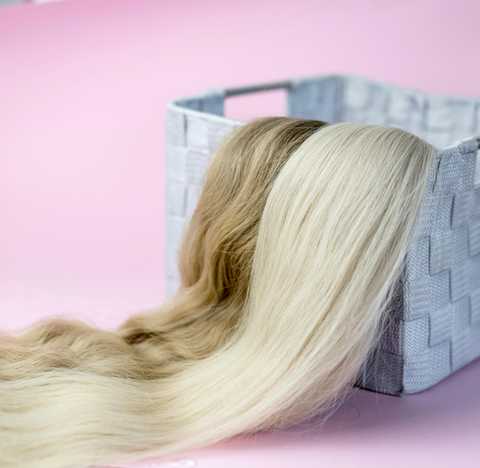
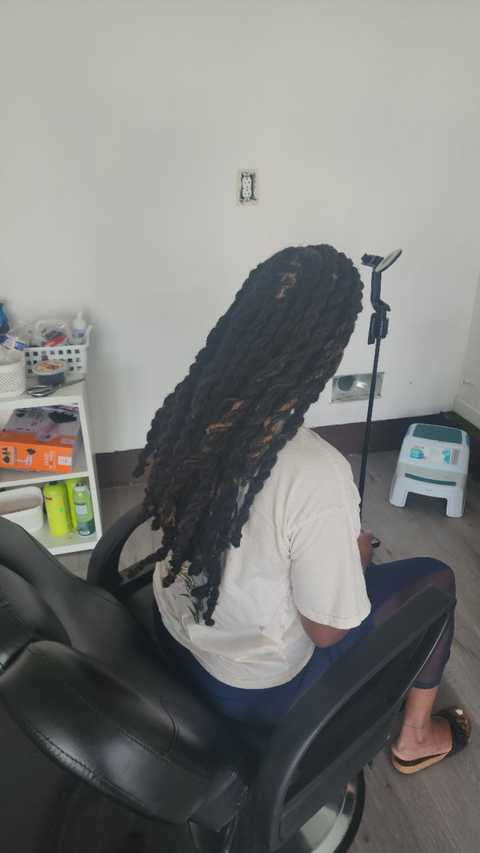
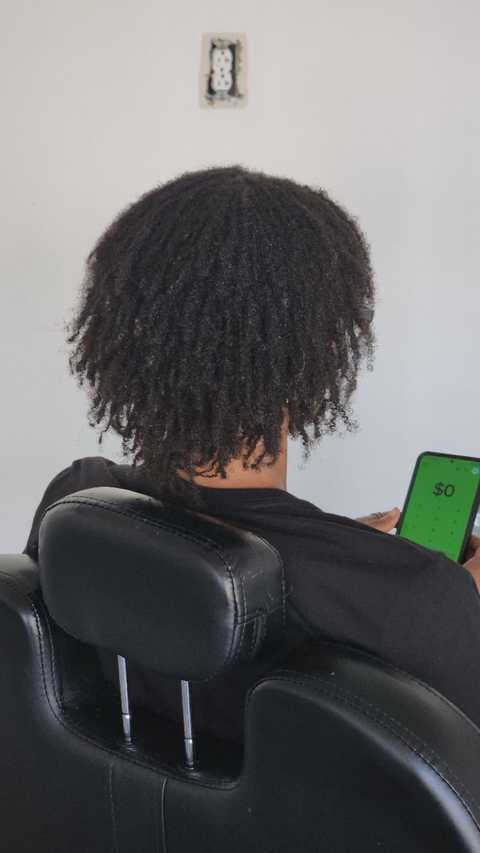
Traditional Loc Extensions maintenance (interlocking) Gallery
$$MultiPurposeText$$
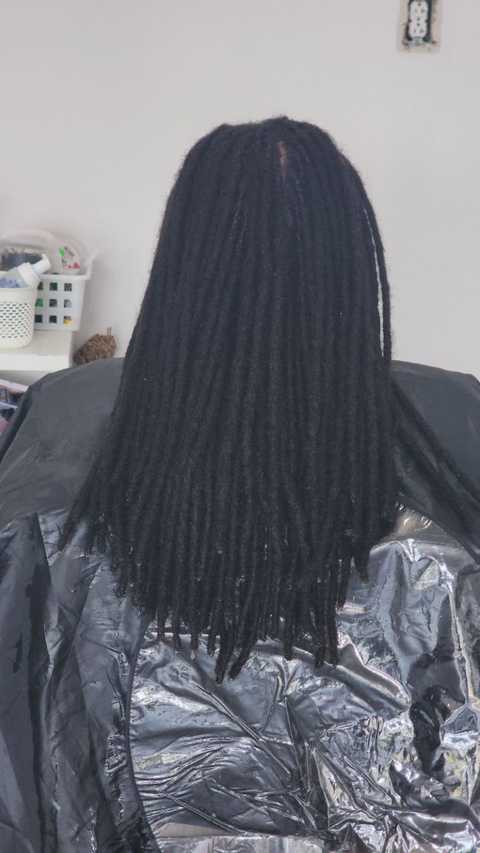
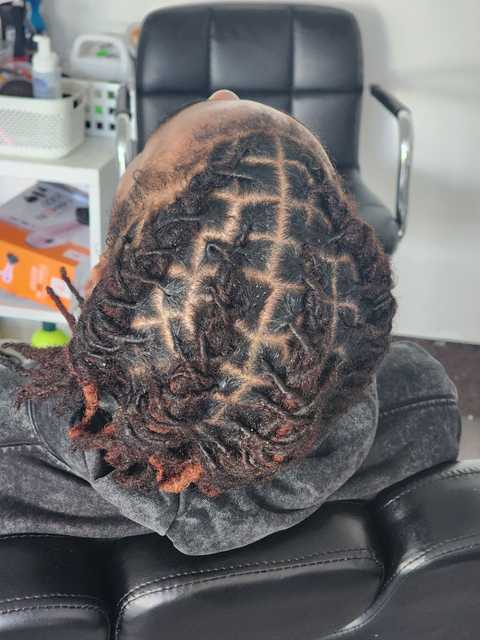
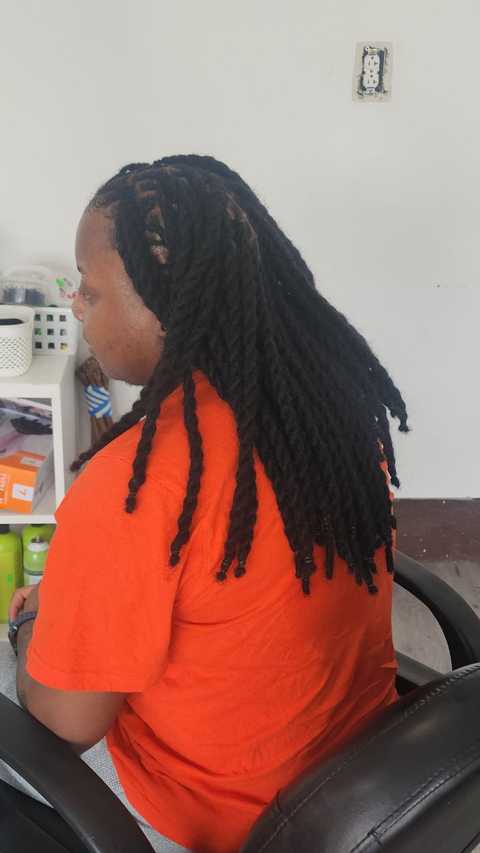
See examples of our Traditional Loc Extensions maintenance (interlocking) work and results.


What Our Clients Say
$$MultiPurposeText$$
Read testimonials from our satisfied customers

Her extension service was amazing. It held well even after I swam with the extensions soon...more

i had an amazing experience here with my hair! the salon was clean, ms. christabel was ver...more

Frequently Asked Questions
Get answers to common questions about Traditional Loc Extensions maintenance (interlocking).
This service uses four-point rotation interlocking to secure traditional loc extensions, not a retwist. It joins extensions to natural hair with minimal manipulation, creating a natural root pattern and longer-lasting hold while reducing tension and preserving hairline integrity.
Timing varies by hair density, extension count, and desired styling. Most maintenance sessions range from two to five hours. Your stylist will assess length and root condition during consultation to give a personalized estimate and accommodate color or shaping requests.
Most clients return every six to ten weeks for interlocking maintenance to maintain neat roots and secure extensions. Timing depends on hair growth rate, scalp health, and style preference. Your stylist will recommend an interval that balances longevity with hair health.
When performed by a trained stylist using proper four-point interlocking, this maintenance minimizes tension and reduces breakage risk. Damage can occur with improper technique or overly tight installs. Regular care, correct spacing, and proper intervals protect hair and promote healthy loc retention.
Keep scalp clean and moisturized with light oils, avoid heavy products that cause buildup, and limit manipulation for two weeks. Sleep on a satin pillowcase or bonnet, gently dry thoroughly after washing, and return for scheduled maintenance to preserve integrity and longevity.
Yes—styles like updos, ponytails, and twists are fine once roots settle. Avoid very tight, high-tension styles for at least two weeks to prevent stress. Your stylist can demonstrate supportive styling techniques that showcase versatility without compromising the install.